Hiking
Half-day walks with the numbers you actually need: cable car and ropeway fares, and how long the climb from the station really takes.
Calm nature trips across Japan, no car needed.
254 guides across 47 regions of Japan
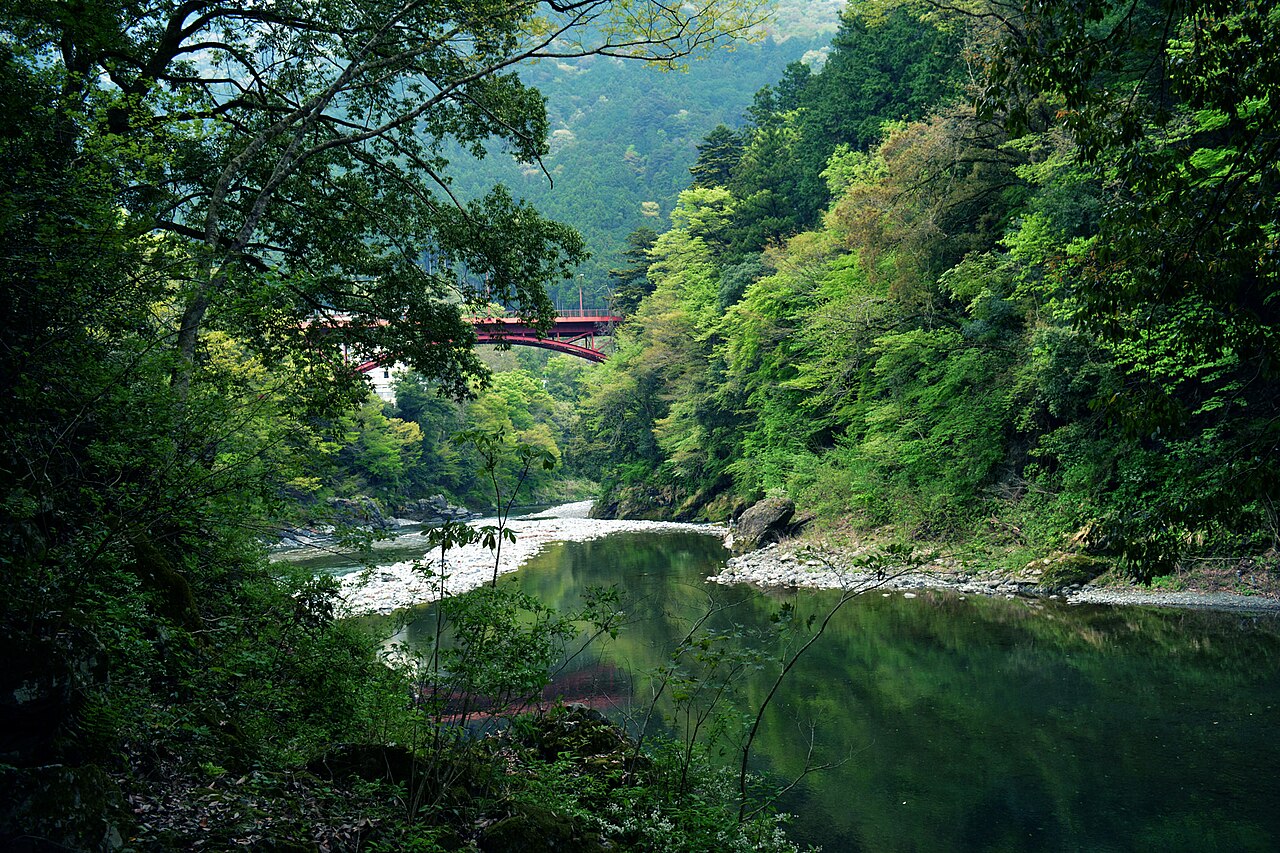
Guides to quiet nature across Japan you can reach by train and bus: slow walks, still lakes, and small mountain towns.
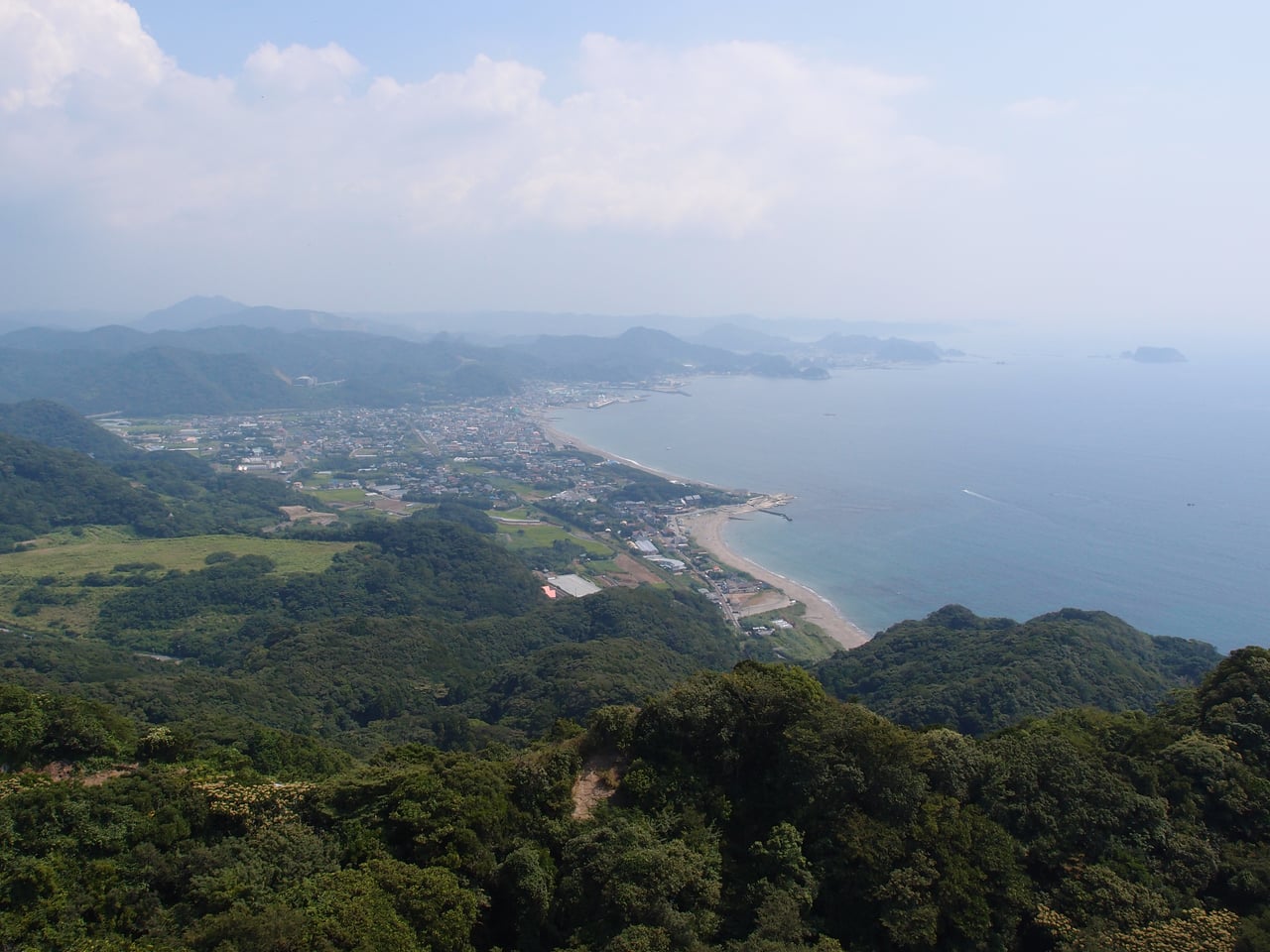
Half-day walks with the numbers you actually need: cable car and ropeway fares, and how long the climb from the station really takes.
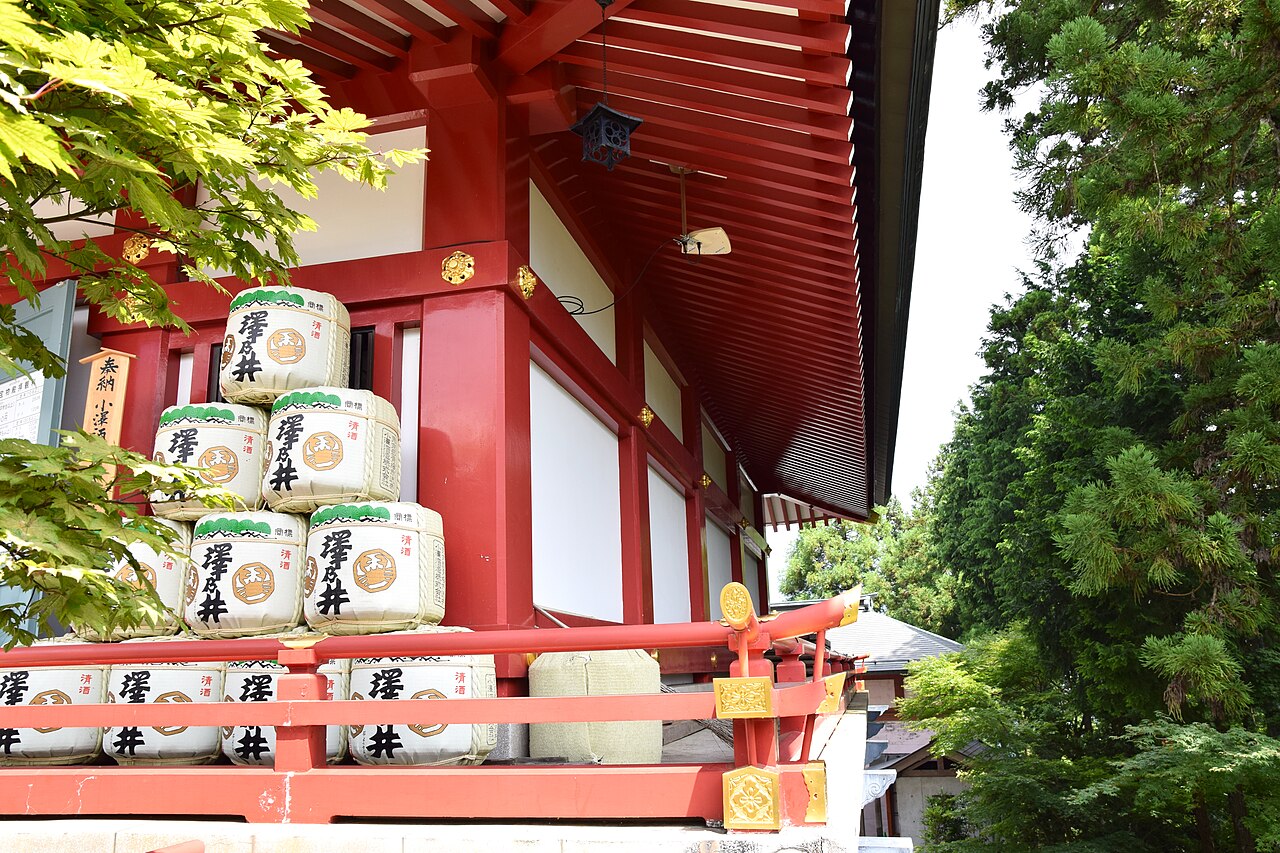
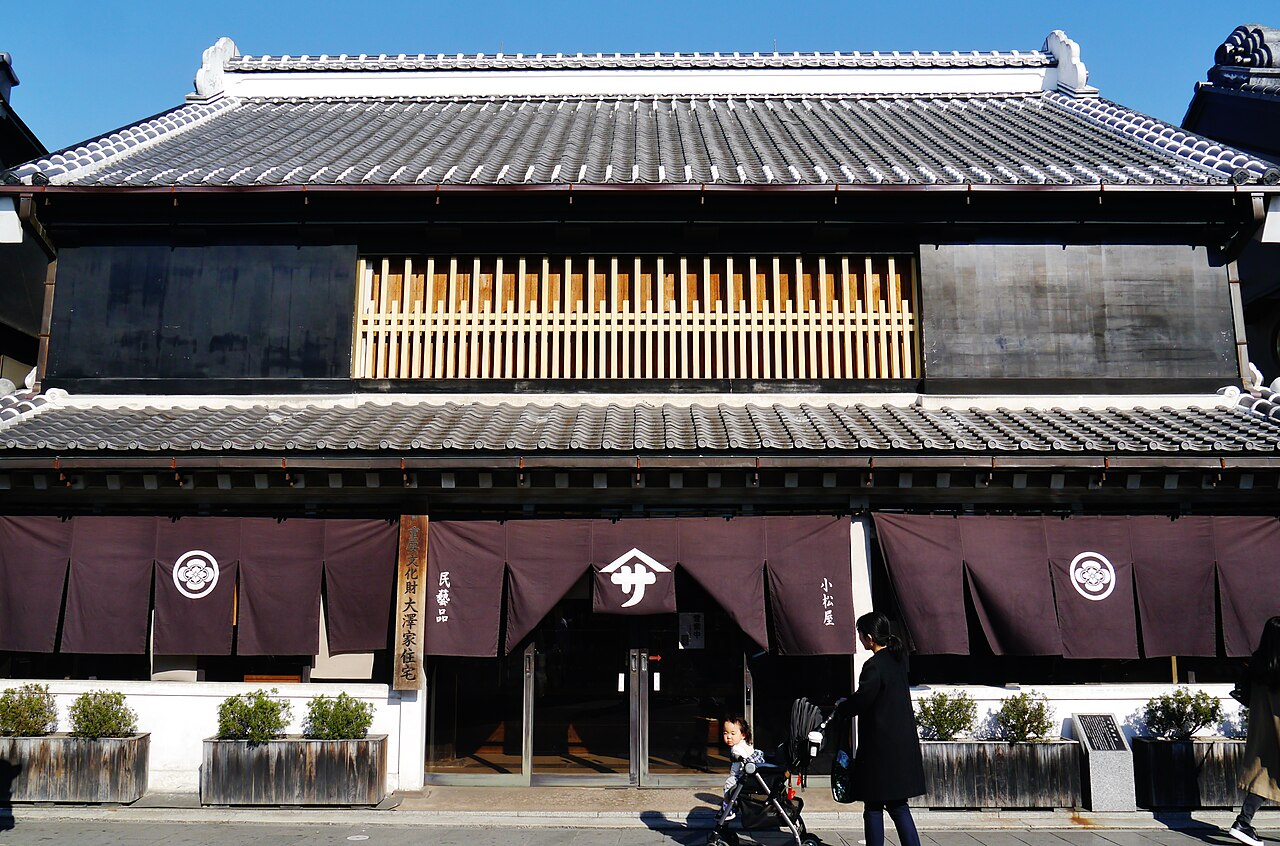
Mountain shrines and temple towns, with how long the approach walk really takes — and which ones fill up with day-trippers by late morning at the weekend.
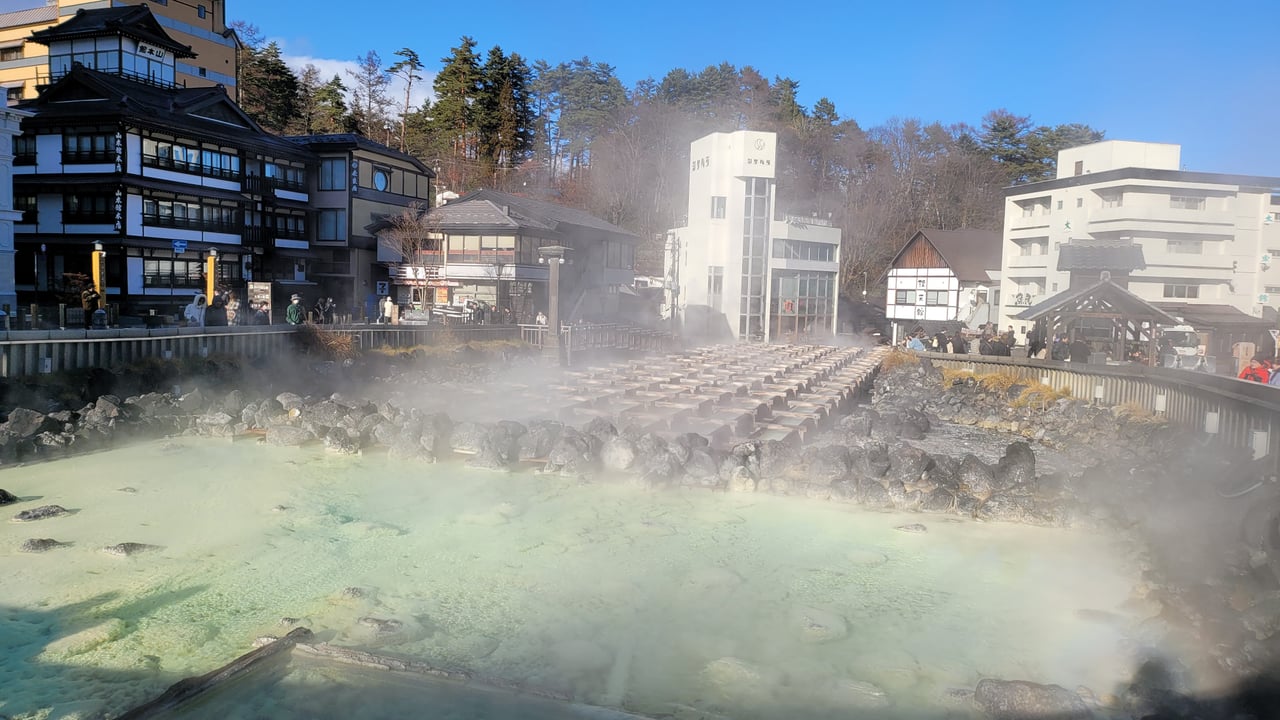
Day-use baths you can reach and be back the same day, with adult admission prices and where visitors with tattoos are welcome.
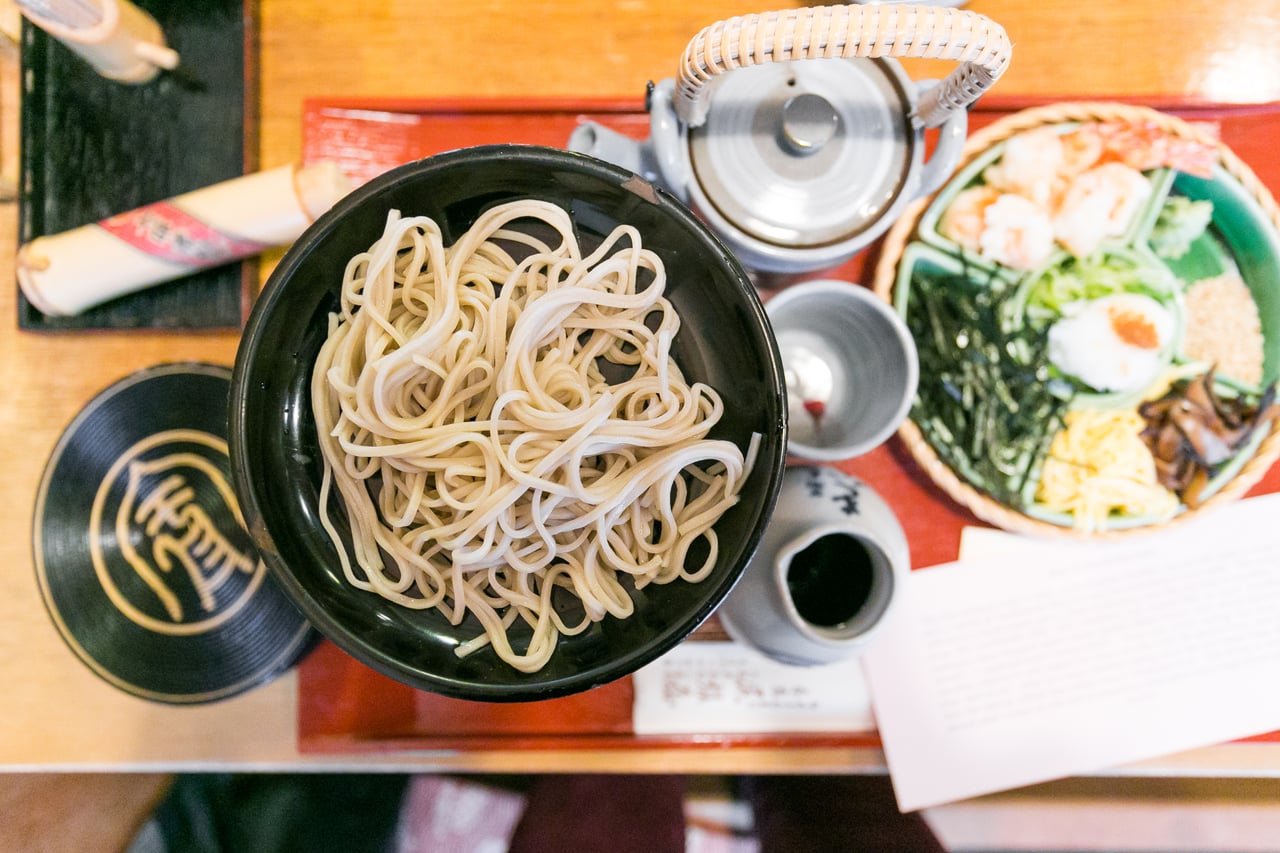
Soba, unagi, yokan and sweet-potato snacks in temple towns across Japan — and how far the eating streets are from the nearest station.
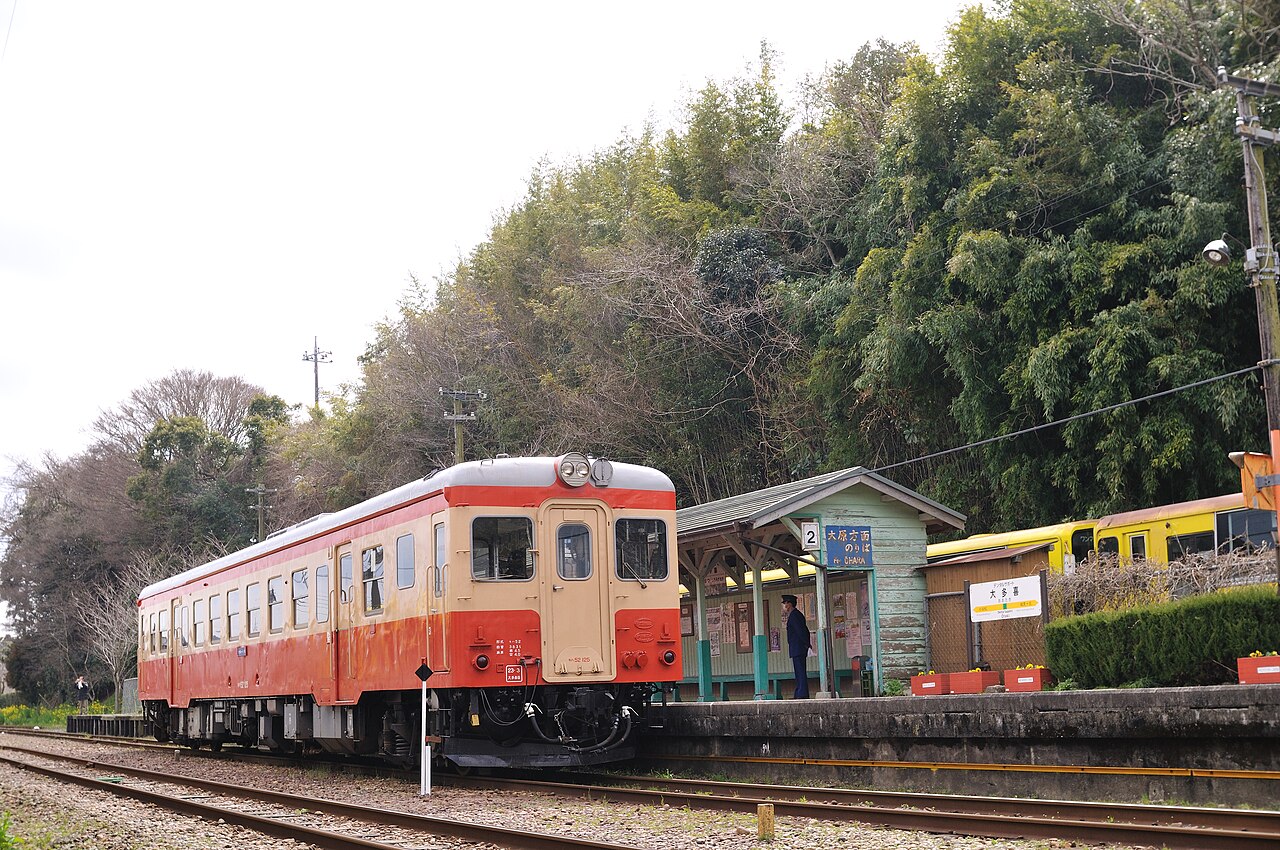
Single-track diesel and country lines across Japan, and the small wooden stations that are worth getting off at on the way.
Castle towns and hillside settlements compact enough to walk in an easy loop, with time for a slow lunch in the middle.
250 mapped guides, one country
Every single-destination guide is on the map — zoom in on a region, or tap a pin for a quick look before you read.
250 guides on the map. Drag or scroll to explore; use the +/- buttons or arrow keys once a pin has focus. Numbered circles are clusters of nearby guides — click, or press Enter, to zoom in.
Okinawa