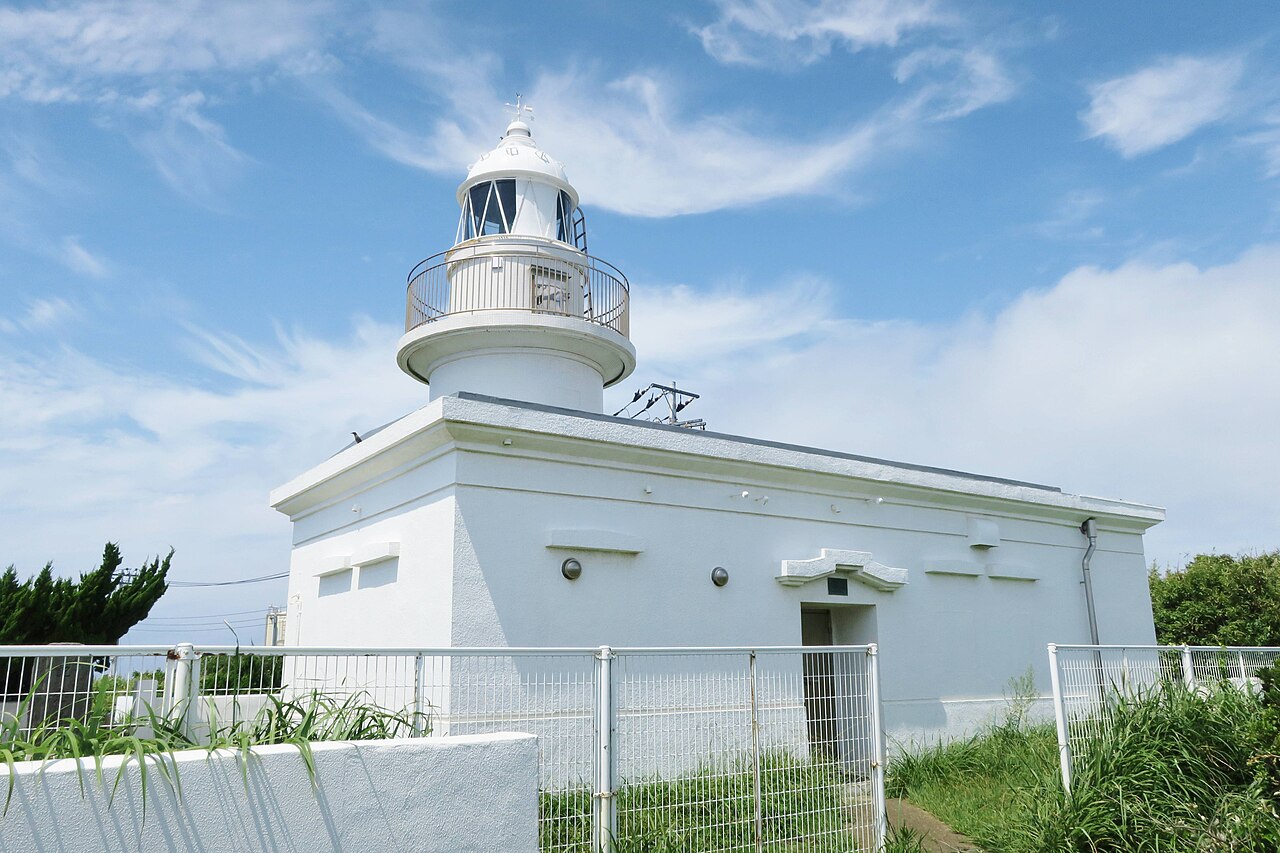
This guide covers how to reach Misaki and Jogashima from Tokyo, the park, the lighthouses, the rocky shore, the bridge and the fishing port.
Jogashima is worth the trip for its views, since on clear days the observation decks look out to the Boso Peninsula, Mount Fuji and Izu Oshima. The sections below follow the route from the rail line to the island and back to the port.
Getting to Misaki and Jogashima from Tokyo
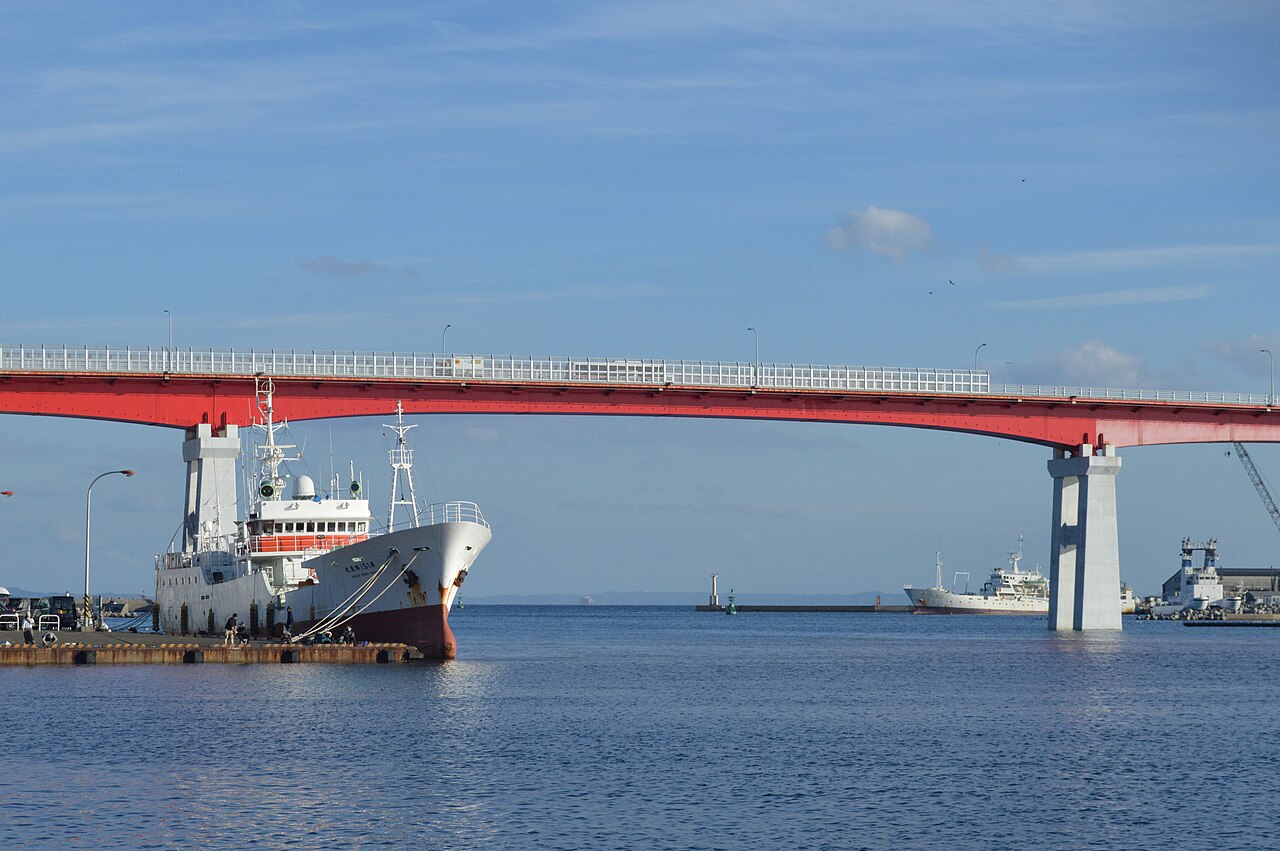
Tuna boats from around the world gather at Misaki fishing port, where frozen tuna is traded regardless of season. Getting there takes a rail ride from Tokyo and a short connection at the other end.
From Haneda Airport, Shinagawa or Yokohama, the Keikyu Line runs to Misakiguchi Station. At Misakiguchi Station, change to the Keikyu Bus bound for Jogashima, which stops at Hakushu-hi-mae near the park. The Sanshiro ferry links Urari and Jogashima. On the island, the lighthouse is reached on foot from the Jogashima bus stop.
| From | Line and operator | Change | Time or fare |
|---|---|---|---|
| Haneda Airport to Misakiguchi Station | Keikyu Line | Change at Misakiguchi Station to the bus for Jogashima | about 80 minutes |
| Shinagawa Station to Misakiguchi Station | Keikyu Line | Change at Misakiguchi Station to the bus for Jogashima | about 70 minutes |
| Yokohama Station to Misakiguchi Station | Keikyu Line | Change at Misakiguchi Station to the bus for Jogashima | about 50 minutes |
| Misakiguchi Station to the Hakushu-hi-mae stop, by bus | Keikyu Bus bound for Jogashima, from platform 2 | No change | about 30 minutes |
| Hakushu-hi-mae stop to Jogashima Park, on foot | On foot | — | 5 minutes |
| Urari to Jogashima, by ferry | Sanshiro ferry | No change | about 5 minutes |
| Urari to Jogashima, ferry fare | Sanshiro ferry | No change | 500 yen for an adult and 300 yen for a child |
| Jogashima bus stop to Jogashima Lighthouse, on foot | On foot | — | about 5 minutes |
| Hakushu-hi-mae stop to Awasaki Lighthouse, on foot | On foot | — | 10 minutes |
| Hakushu-hi-mae stop to Umanose-domon, on foot | On foot | — | 15 minutes |
| Jogashima bus stop to Umanose-domon, on foot | On foot | — | 25 minutes |
| Item | Detail |
|---|---|
| Ferry one-day unlimited ticket | 1,000 yen for an adult and 600 yen for a child |
| Ferry operating hours | 10:00 to 16:00 |
| Nijiiro Sakana underwater boat, adult fare | 1,700 yen |
| Nijiiro Sakana underwater boat, child fare | 800 yen |
| Nijiiro Sakana underwater boat, trip length | 40 minutes |
| Nijiiro Sakana underwater boat, operating hours | 9:20 to 16:00, with 7 trips in total and 8 trips in summer |
| Jogashima Park parking fee | 500 yen per day for a standard car |
| Jogashima Park parking lot hours | 8:00 to 17:00, and 8:00 to 19:00 from April 1 to September 30 |
| Koryu parking lot | 210 yen for the first hour |
| Jogashima Bridge | open 24 hours |
| Misaki morning market | held every Sunday |
If you would rather have the day arranged for you, look at Misaki and Jogashima tours on GetYourGuide.
Where to stay
Places to stay near Yokohama →
Disclosure: This post may contain affiliate links. If you book through them, we may earn a commission at no extra cost to you.
Jogashima Park and the Cormorants
Black pines bent diagonally by the sea wind grow in a plaza of the park and create a distinctive landscape on sunny or windy days. The park has observation decks from which Mount Fuji and Izu Oshima can be seen.
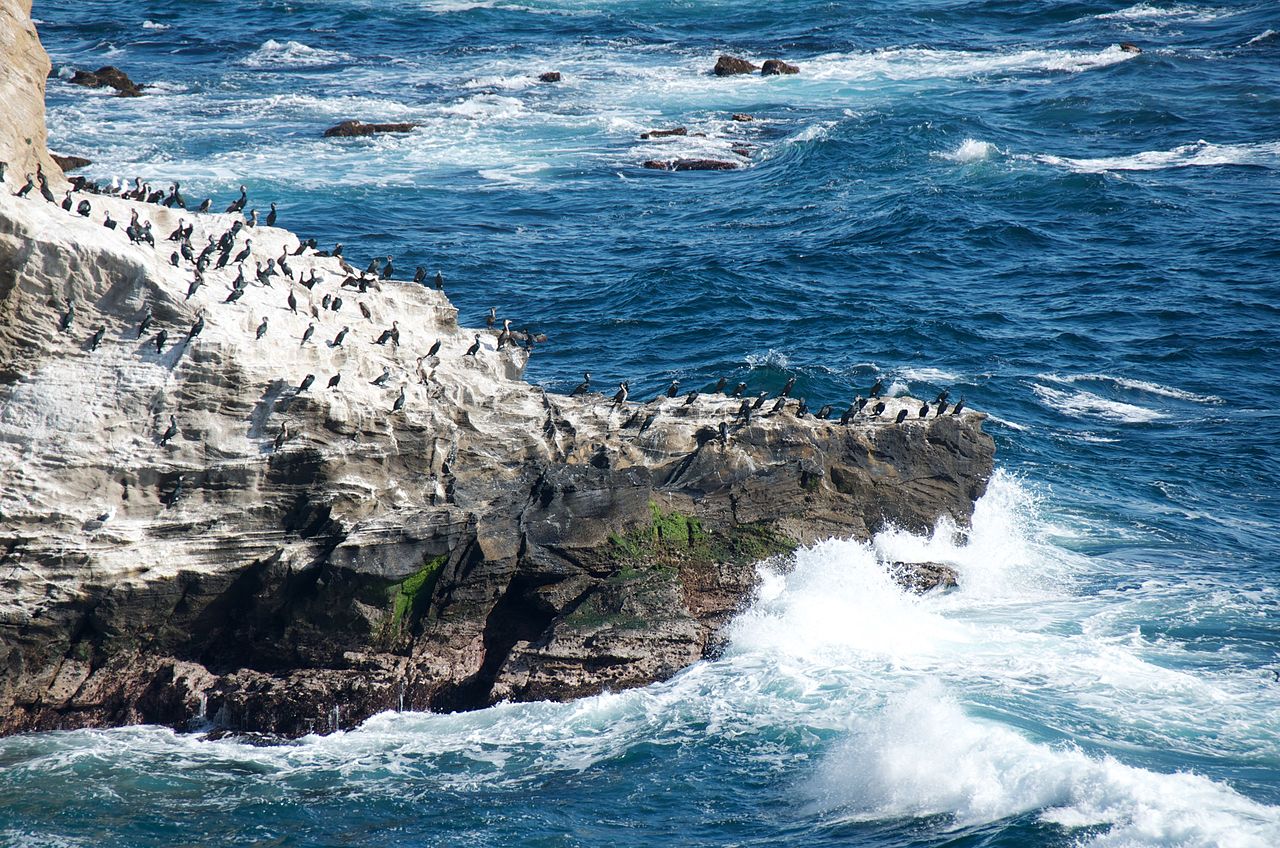
The island is decorated with hydrangea plants in June. Cormorants fly in to spend the winter at a group habitat designated as a prefectural natural monument. Visitors who come for the birds should plan a visit between winter and spring.
Awasaki Lighthouse
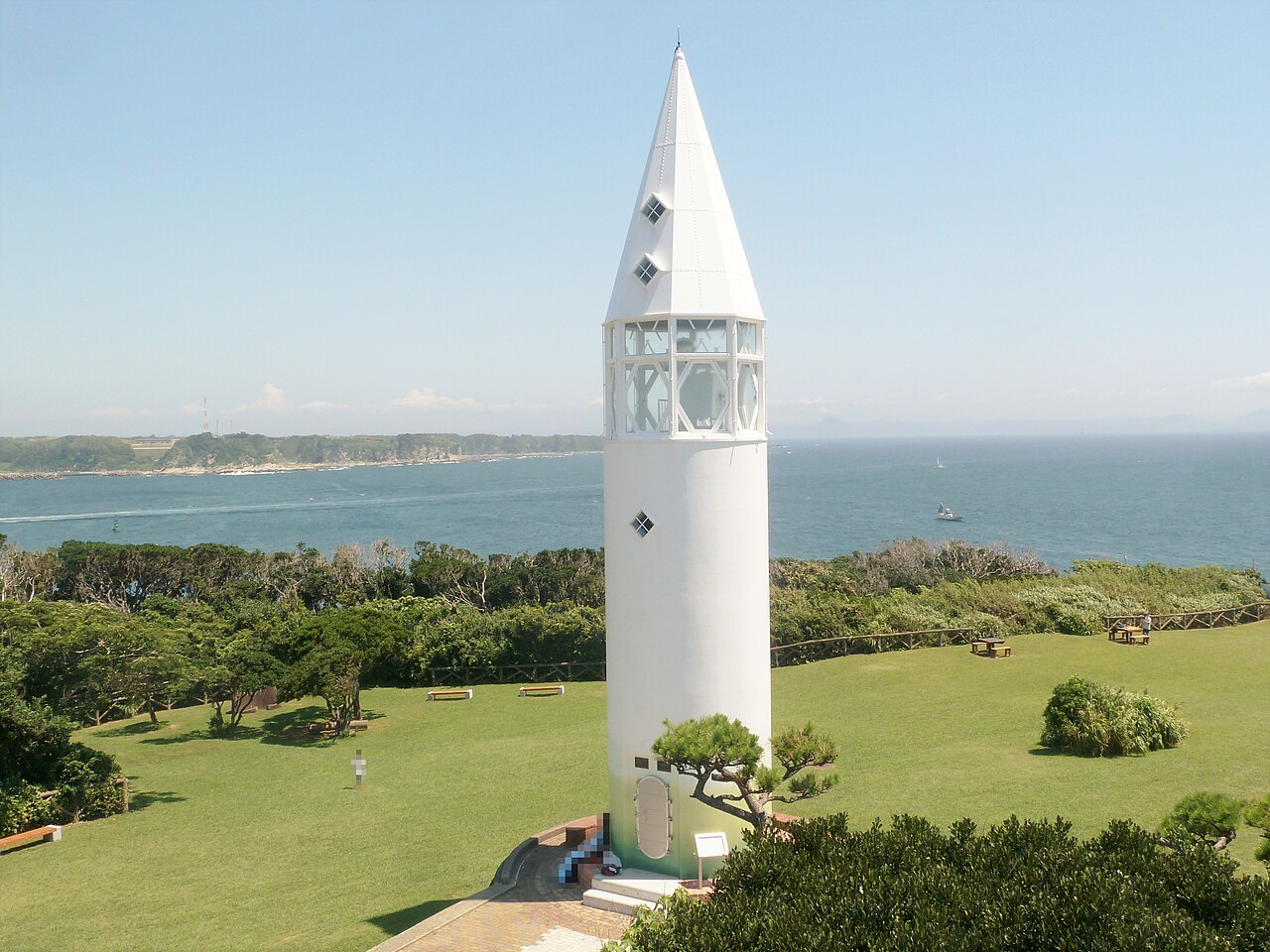
The Awasaki Lighthouse stands on a lawn plaza, and its white body with green gradation resembles the local Miura daikon radish. It looks like an upside-down green-neck daikon radish, with its lower part in a green gradient.
The lighthouse sits in Kanagawa Prefectural Jogashima Park and was designed with the Miura daikon radish as its motif. It was relocated and newly renovated. The lighthouse is a short walk from the Hakushu-hi-mae bus stop, so it pairs easily with a visit to the park.
Umanose-domon and Nagatoro Point
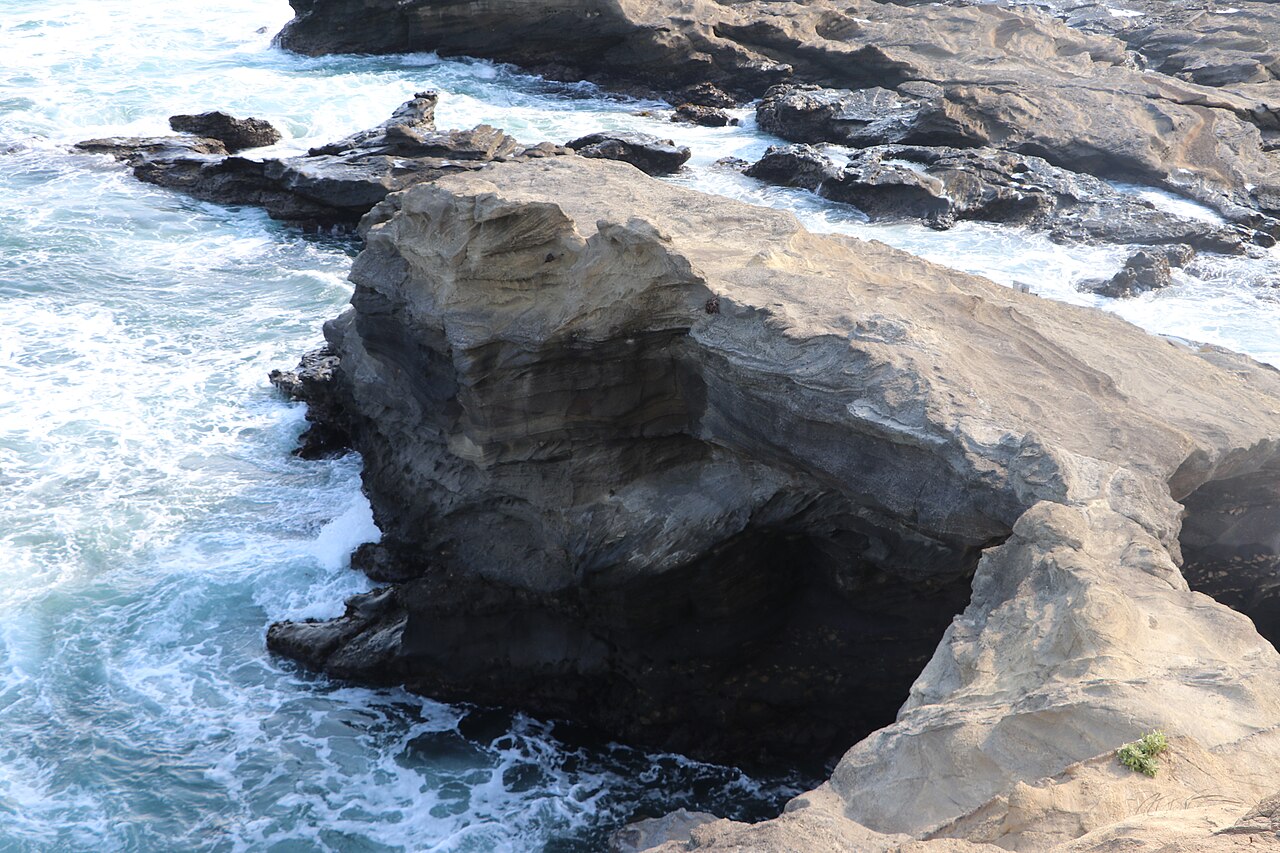
At Nagatoro Point, a rocky shore spreads out where sandwich-like strata can be observed. Umanose-domon is a cave formed by erosion from waves, rain and wind. The cave is within walking distance of the Hakushu-hi-mae bus stop, which is nearer to it than the Jogashima bus stop.
Jogashima Bridge and Jogashima Lighthouse
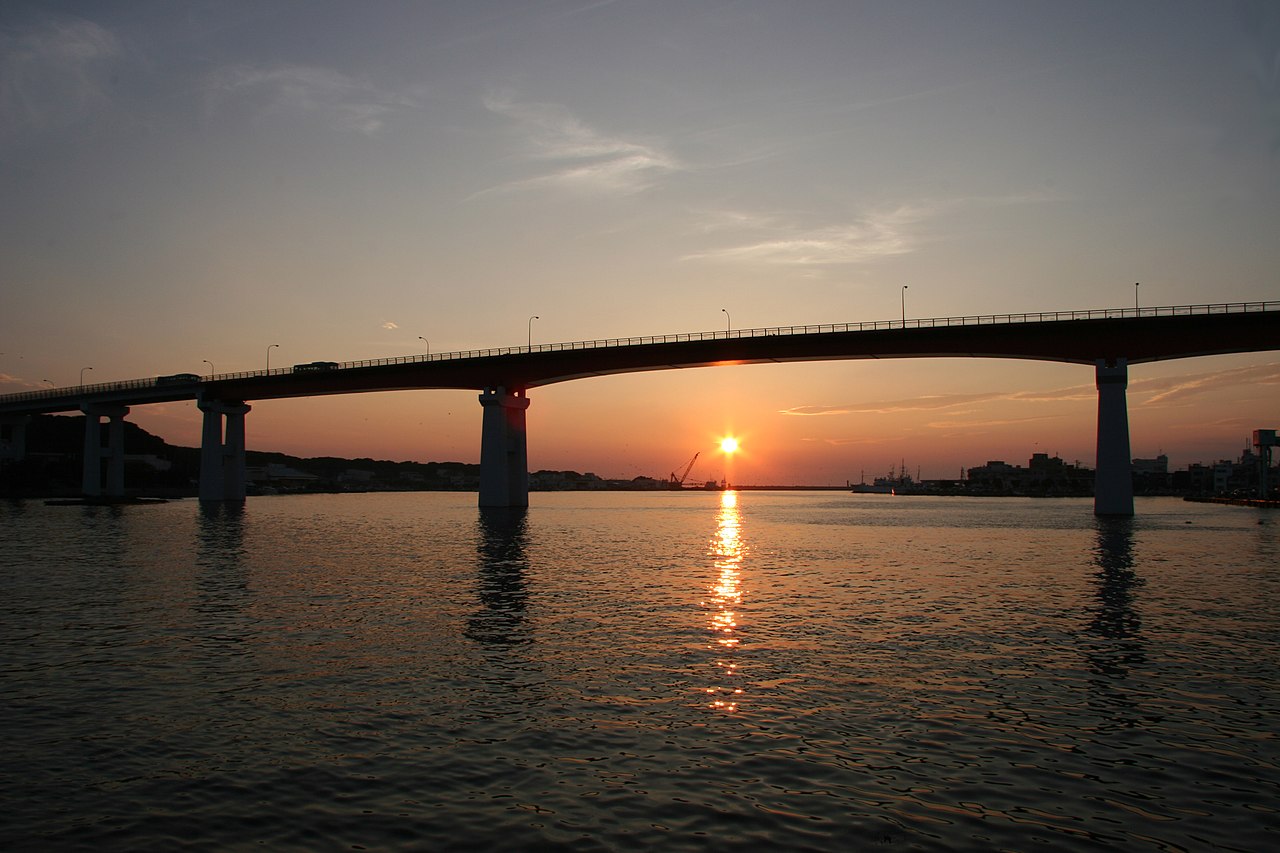
From Jogashima Bridge there is an unobstructed view of the Boso Peninsula to the east, Izu Oshima to the south and Mount Fuji to the west. The bridge can be crossed by car, and also by bicycle or on foot.
Jogashima Lighthouse was rebuilt after the Great Kanto Earthquake and is the symbol of the island. The lighthouse is a short walk from the Jogashima bus stop, which suits visitors who want a landmark without a long walk.
Misaki Port, Tuna and the Morning Market
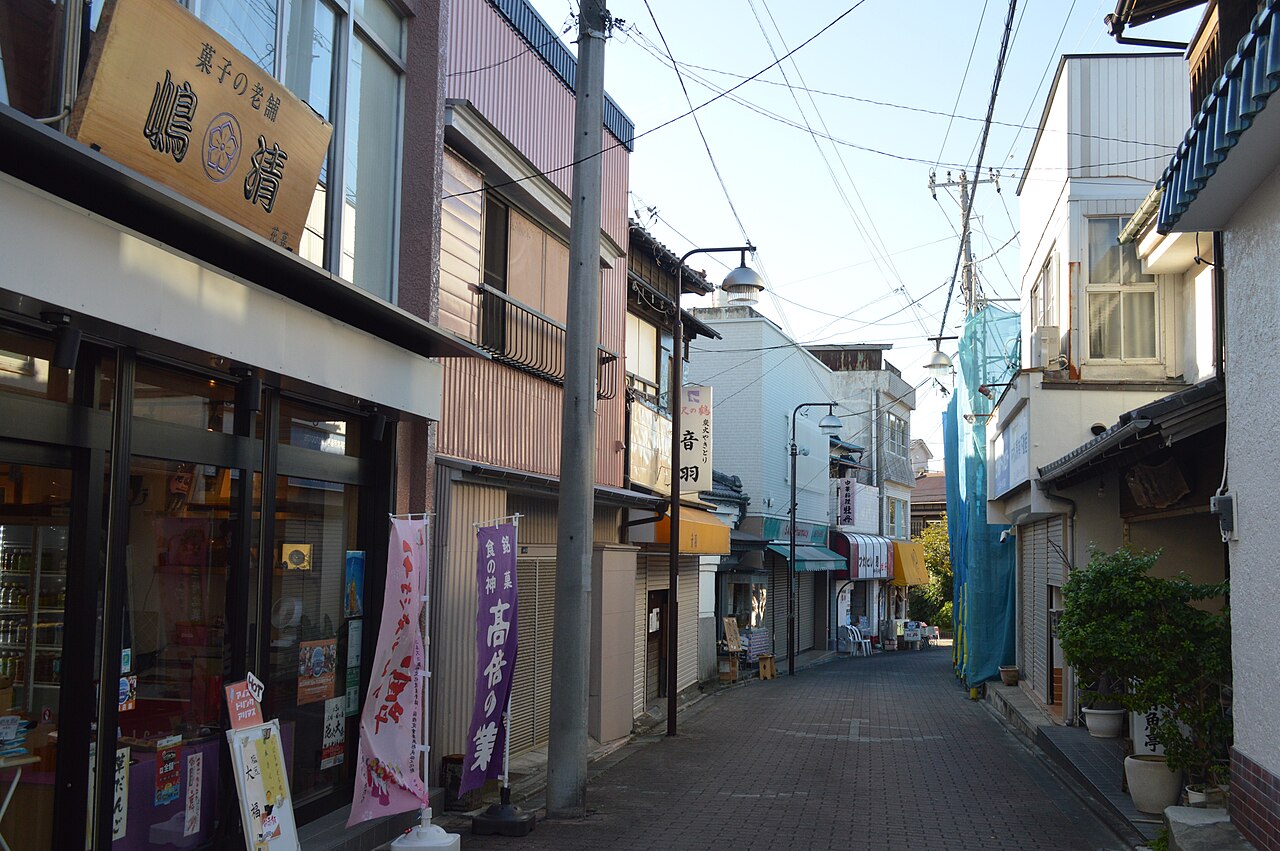
Fresh seafood including tuna, vegetables and processed goods are lined up at the Misaki morning market, which serves as the kitchen of local people. Visitors can watch the tuna auction at the Miura low-temperature wholesale market.
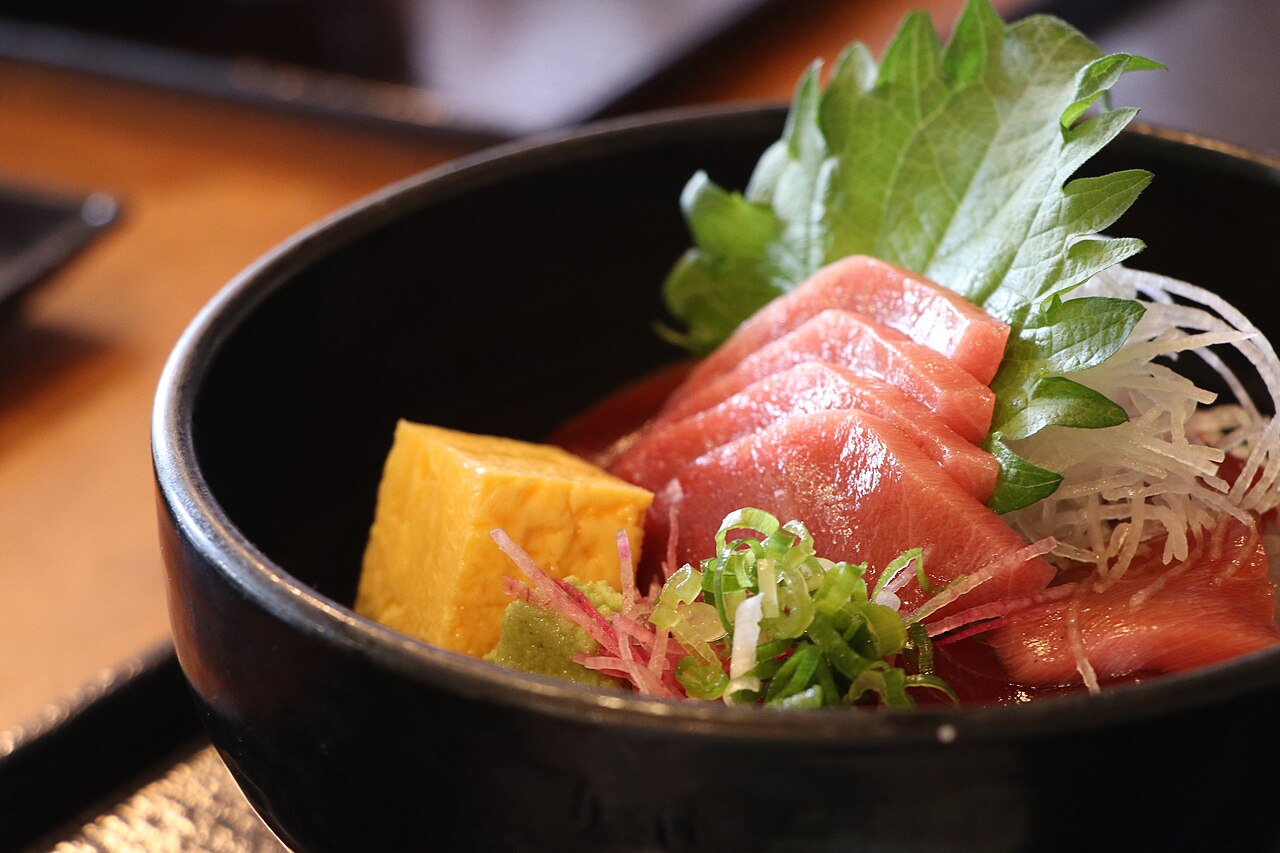
At Urari, the fish hall sells tuna, local nearshore and coastal fish, processed seafood products and prepared dishes. The vegetable hall sells Miura vegetables, meat, tofu and various breads. Urari suits anyone who wants to browse freshly harvested Miura vegetables and Misaki tuna at the same facility.