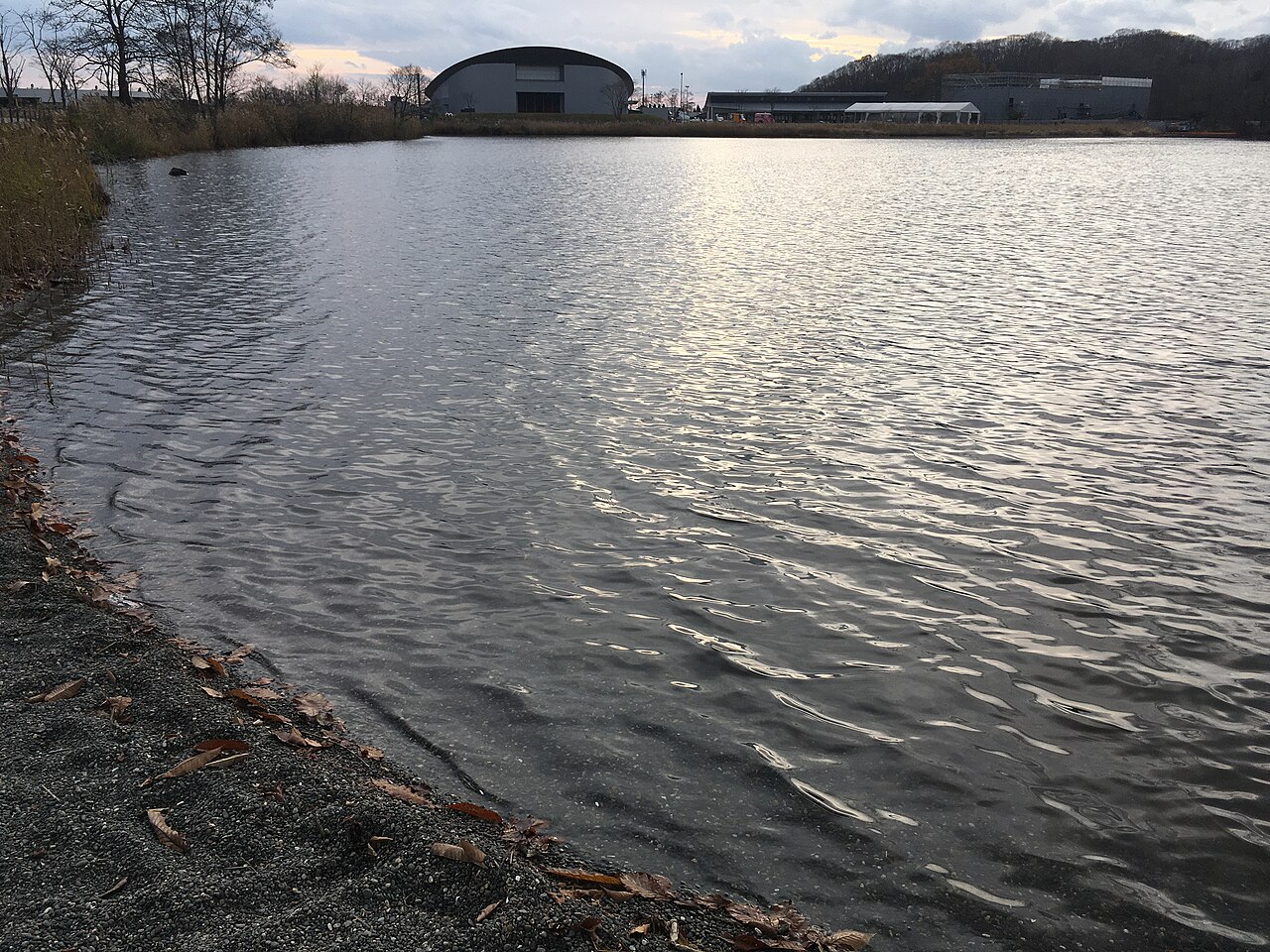
This guide covers how to reach Upopoy from the centre of Shiraoi, the seasonal visiting details, what stands inside the National Ainu Museum, the park grounds and the memorial facility, and the woods, lakes and history museum of the town.
Shiraoi, in Hokkaido, is where the national centre for Ainu history and culture was built. Upopoy brings together the National Ainu Museum, a park with scheduled performances and demonstrations, and a memorial facility on a hill. The practical details sit in the tables below, and the later sections cover the woods, lakes and history museum of the town.
Getting to Upopoy from Shiraoi Station
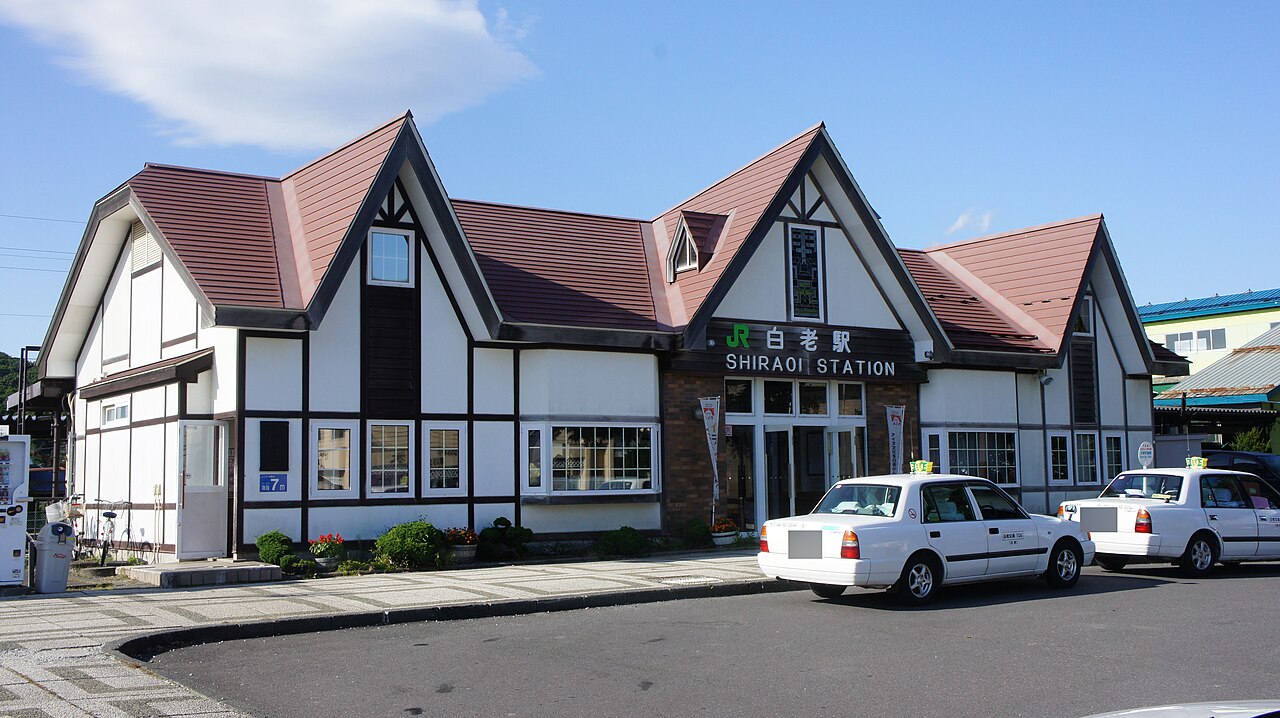
The walk from the north exit of Shiraoi Station to Upopoy is short. The table below gives the distance and the time on foot, the travel times from Sapporo and from New Chitose Airport, and the car parks at the site.
| Item | Detail |
|---|---|
| Distance on foot, Shiraoi Station (north exit) to Upopoy | about 500 m |
| Walking time, Shiraoi Station (north exit) to Upopoy | about 10 minutes |
| Travel time, Sapporo to Upopoy | about 1 hour |
| Travel time, New Chitose Airport to Upopoy | about 40 minutes |
| Parking lot 1 at Upopoy | 246 spaces, 500 yen per entry |
| Temporary parking lot at Upopoy | 209 spaces, 500 yen per entry |
| Large bus parking at Upopoy | 50 spaces, 2,000 yen per entry; microbus parking is 1,000 yen per entry |
| Parking lot entry times | from 8:30 until 1 hour before closing time |
Hours and Closing Days at Upopoy
Upopoy keeps longer days in the warmer months and shorter days in winter, so the table lists each season. Upopoy is closed on Mondays, over the year-end and New Year period and again in late winter. Last entry to the park comes before closing time. The restaurant at the entrance building has its own serving times, also in the table.
| Item | Detail |
|---|---|
| Hours at Upopoy, April 1 to October 31 | 9:00 to 18:00 |
| Hours at Upopoy, November 1 to March 31 (winter schedule) | 9:00 to 17:00 |
| Park last entry | until 1 hour before closing time |
| Restaurant at the entrance building | 11:00 to closing time, last order 1 hour before closing |
| Closed days | December 28 to January 4, February 27 to March 8 and Mondays |
| A Monday that is a national holiday or a day off | closed on the next weekday or later instead |
Admission, Web Discounts and Annual Passes
Tickets for Upopoy come in a handful of categories: a standard rate for adults and for high school students, a group rate for larger parties, a discount for buying on the web, and an annual passport. The table sets out each category, with adults and high school students on separate rows. Group entry has a minimum party size.
| Item | Detail |
|---|---|
| One-day ticket, adult (general) | 1,200 yen, tax included |
| One-day ticket, high school student (general) | 600 yen, tax included |
| One-day ticket, adult (group) | 960 yen, tax included |
| One-day ticket, high school student (group) | 480 yen, tax included |
| Group rate applies | to parties of 10 or more people |
| Web-purchase discount, adult | 1,000 yen, reduced from 1,200 yen |
| Web-purchase discount, high school student | 400 yen, reduced from 600 yen |
| Annual passport, adult (general) | 2,000 yen, tax included |
| Annual passport, high school student (general) | 1,000 yen, tax included |
Inside the National Ainu Museum
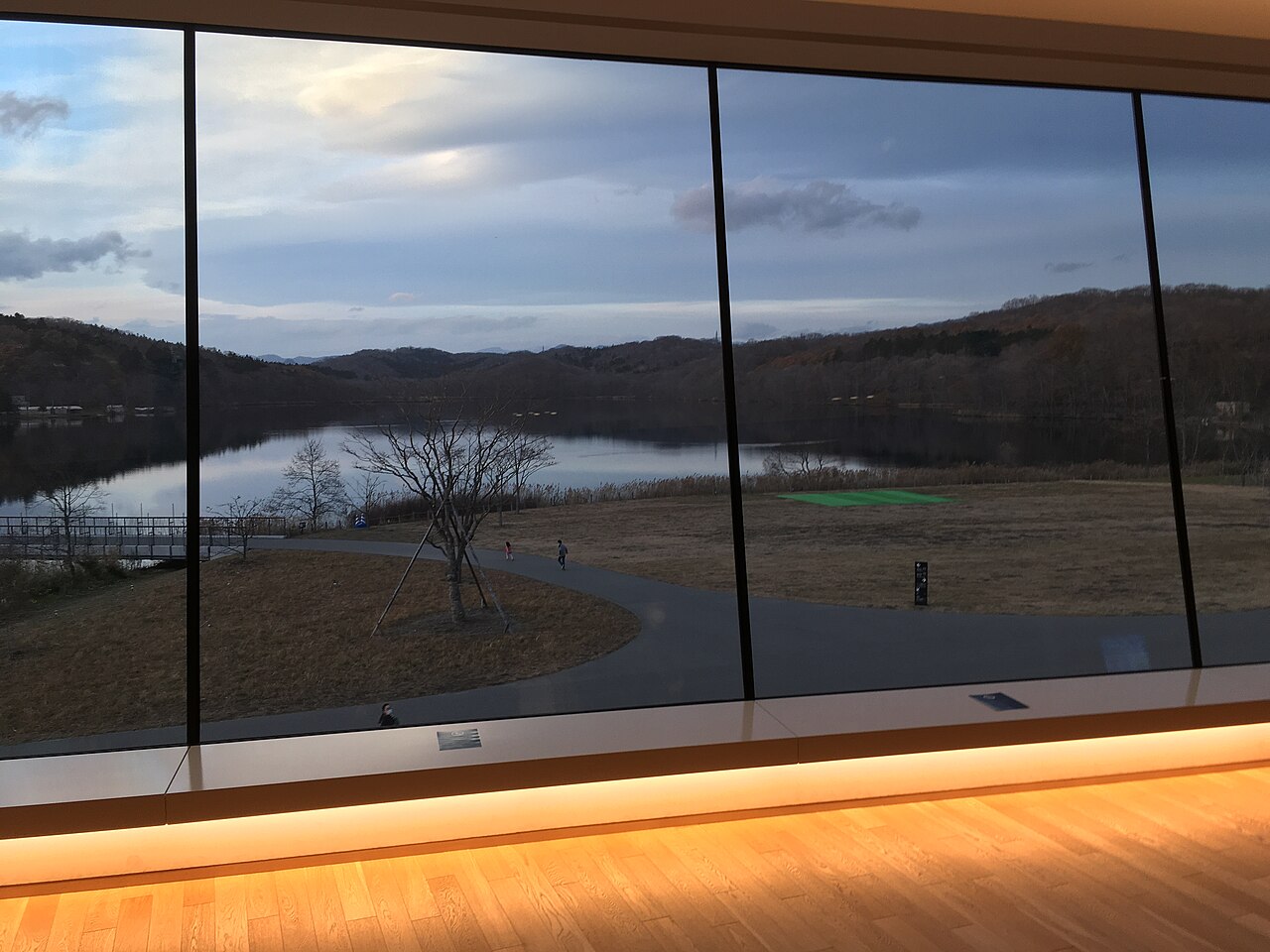
The National Ainu Museum stands within Upopoy, the national centre for learning about and conveying Ainu history and culture. Its permanent exhibition room is arranged as theme exhibits told from the viewpoint of the Ainu people, in the voice of 'we'. The route in leads through the panoramic lobby, with its view over the lake, to the introductory exhibit.
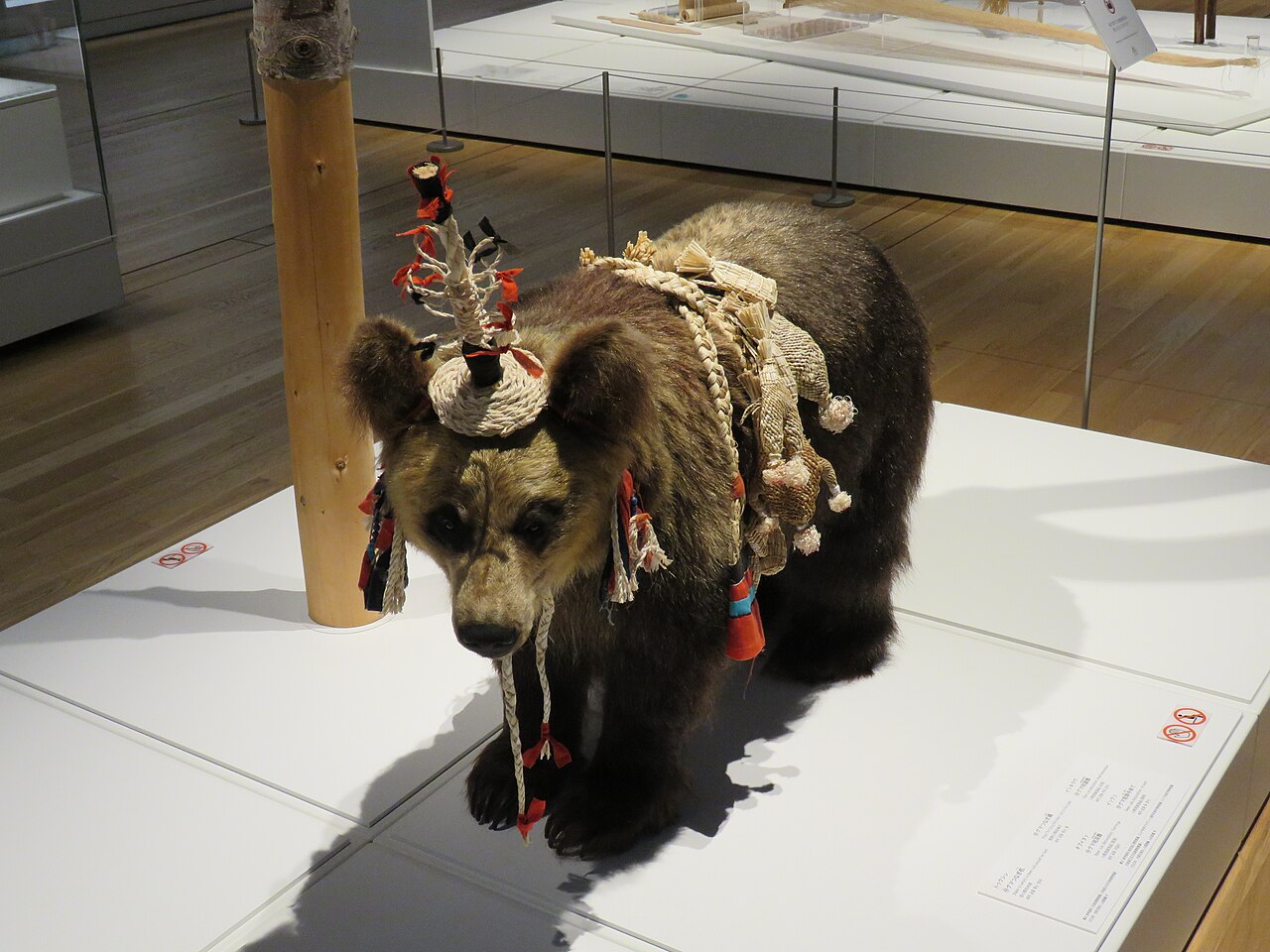
The central plaza exhibit gathers materials that stand for the themes. Within the theme on the Ainu world is a tall wooden stake used in the Sakhalin iyomante ceremony. The exhibit on bark clothing follows the stripping of elm bark and its making into thread, and shows an actual loom alongside the efforts of those who pass the craft on.
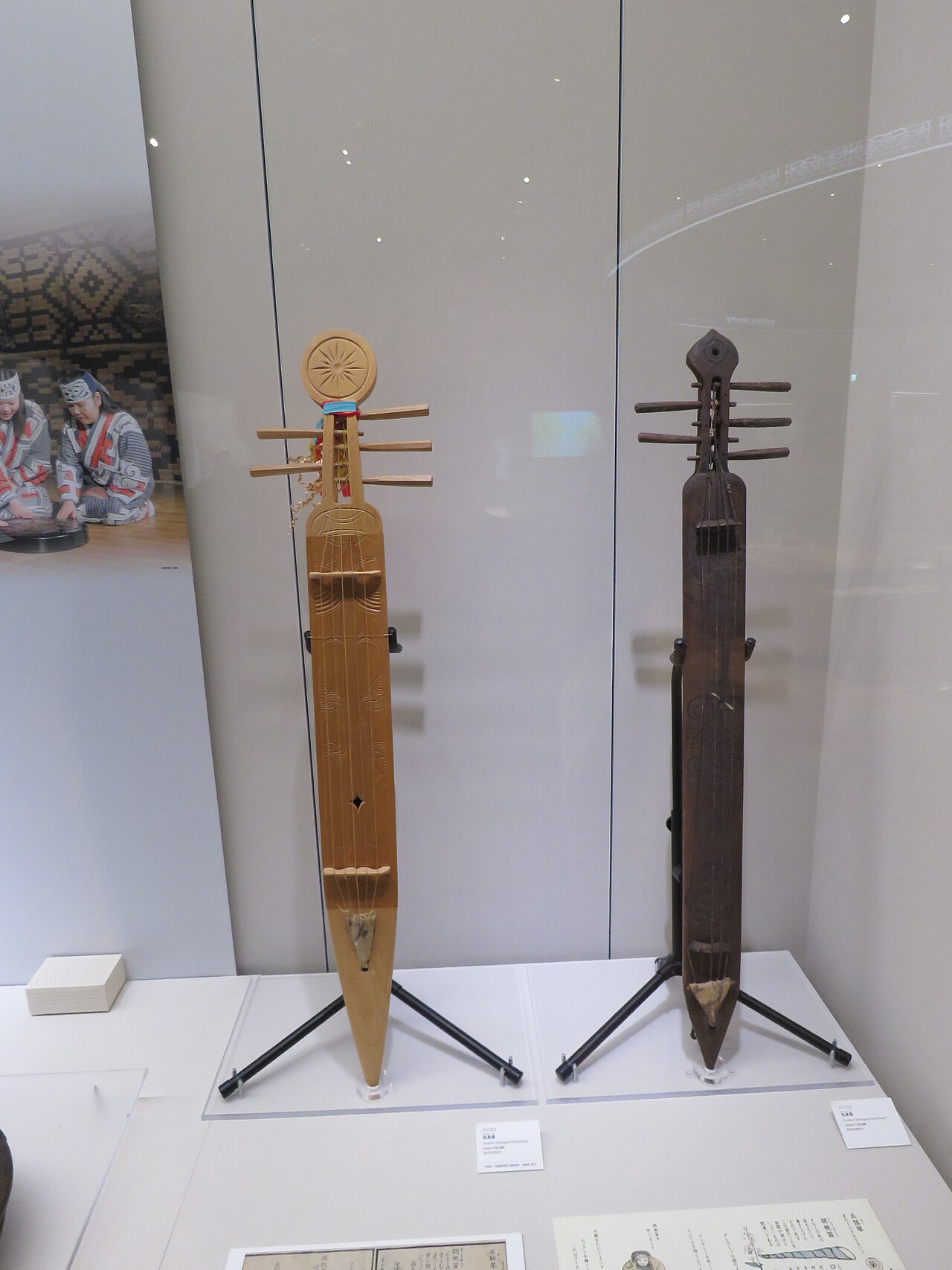
In the history corner, a timeline runs along the upper wall and ties events to their eras and to maps. The panels and signs throughout the exhibition rooms are the work of people who carry the regional Ainu languages forward, and the audio guide and the app let visitors hear Ainu spoken.
- Last entry to the museum: until 30 minutes before Upopoy closing time.
- Theme exhibits in the permanent exhibition room: 6, each told from the viewpoint of the Ainu people.
- A wooden stake over 6 m tall used in the Sakhalin iyomante ceremony is part of the theme on the Ainu world.
Where to stay
Places to stay near Noboribetsu Onsen →
Disclosure: This post may contain affiliate links. If you book through them, we may earn a commission at no extra cost to you.
Programs and Spaces in the Park
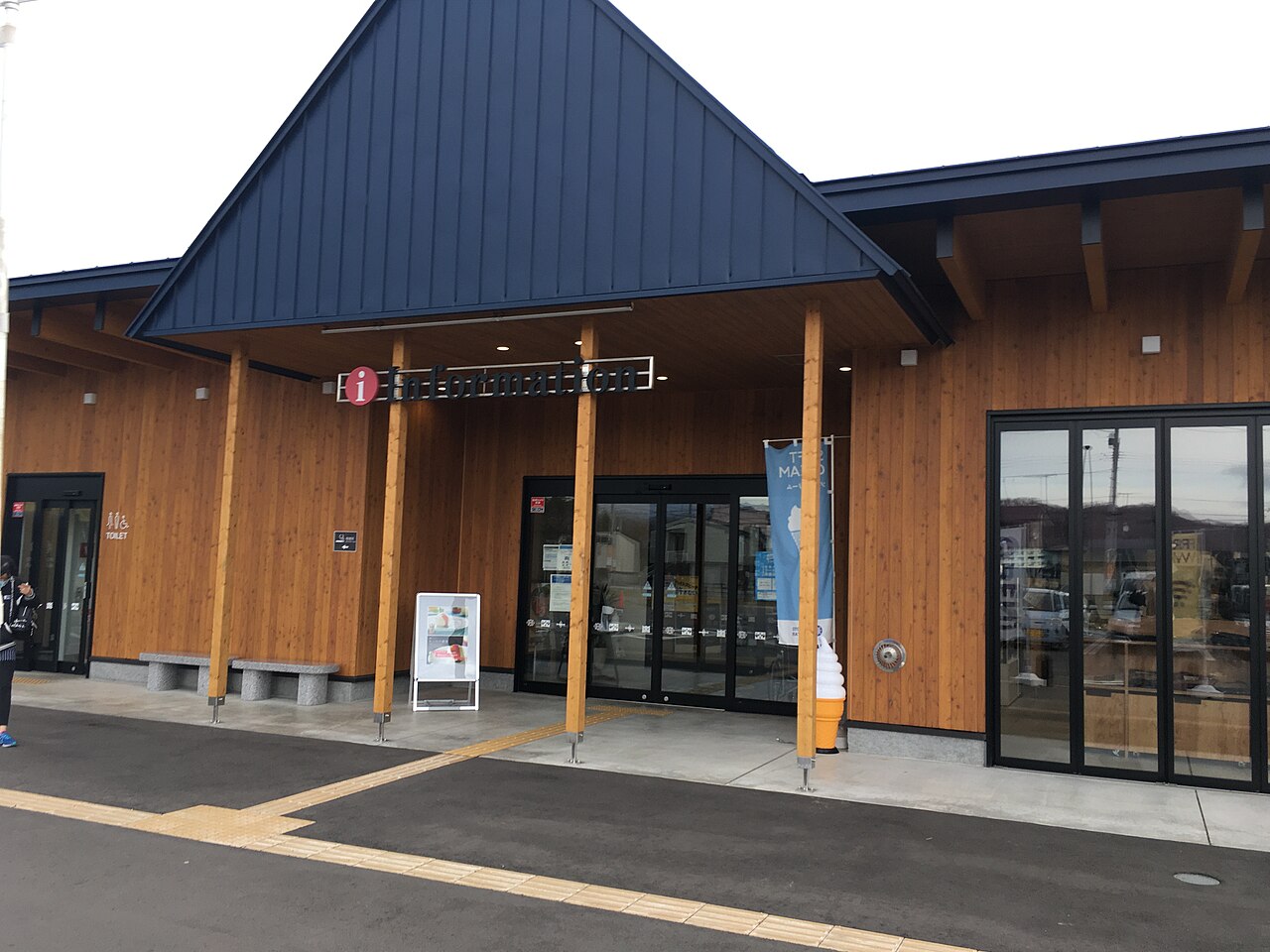
The entrance building holds a ticket office, an information point, a resting room and a shop with souvenirs such as Ainu crafts. In the Ikar Ushi workshop, staff demonstrate long-inherited techniques, and visitors watch from up close. The Chikisani Mintar plaza hosts seasonal events and additional programs. The Fureai-kan has a prayer room for those who need it.
The kotan (village) has its own program, which introduces life in the kotan and presents song and dance performances. At Shinotchise in the kotan, a picture-story show takes as its themes the connection between kamuy and the Ainu people, and life past and present.
Ponto Kitchen is held in the Experience Learning Hall. The song and dance performance Upopo ne Warimuse in the Experience Exchange Hall has a set capacity. The programs below run to a timetable, and the table gives their length, capacity and start times.
| Item | Detail |
|---|---|
| Neusaran Ro storytelling program, duration | about 15 minutes |
| Neusaran Ro, capacity | 60 people |
| Neusaran Ro, daily start times | 11:30 and 14:30 |
| Upaskuma program, duration | about 15 minutes |
| Upaskuma, capacity | 60 people |
| Upaskuma, weekday start times | 10:30, 12:30, 13:30, 15:30 and 16:30 |
| Upopo ne Warimuse song and dance performance, duration | 20 minutes |
| Upopo ne Warimuse, weekday start times | 10:00, 11:00, 13:00 and 15:00 |
| Upopo ne Warimuse, weekend and holiday start times | 10:00, 11:00, 13:00, 15:00 and 16:00 |
| Ponto Kitchen, duration | about 30 minutes |
| Ponto Kitchen, schedule | weekdays at 15:00, April 25 to October 31 |
| Ponto Kitchen, sign-up | at the venue, up to 30 minutes before the start |
| Ainu life toolbox game, duration | 60 to 90 minutes |
| Ainu life toolbox game, days and times | daily from 9:00 until closing |
| Ainu life toolbox game, kit sales | 9:00 to 15:30 |
| Crafts viewing, days and times | daily from 9:00 until closing |
- The Upopo ne Warimuse performance in the Experience Exchange Hall has a capacity of 303 people.
The Memorial Facility on the Hill
The memorial facility stands on a hill to the east of Lake Poroto, facing the Pacific Ocean. It comprises a facility for storing remains, a facility for memorial rites and a monument that symbolises the whole. The distance from Upopoy and the seasonal visiting times are given in the table below.
| Item | Detail |
|---|---|
| Distance from Upopoy to the memorial facility | about 1,200 m |
| Memorial facility hours, April 1 to September 30 | 9:00 to 17:00 |
| Memorial facility hours, October 1 to March 31 | 9:00 to 16:00 |
Poroto no Mori and Other Natural Sights in Shiraoi
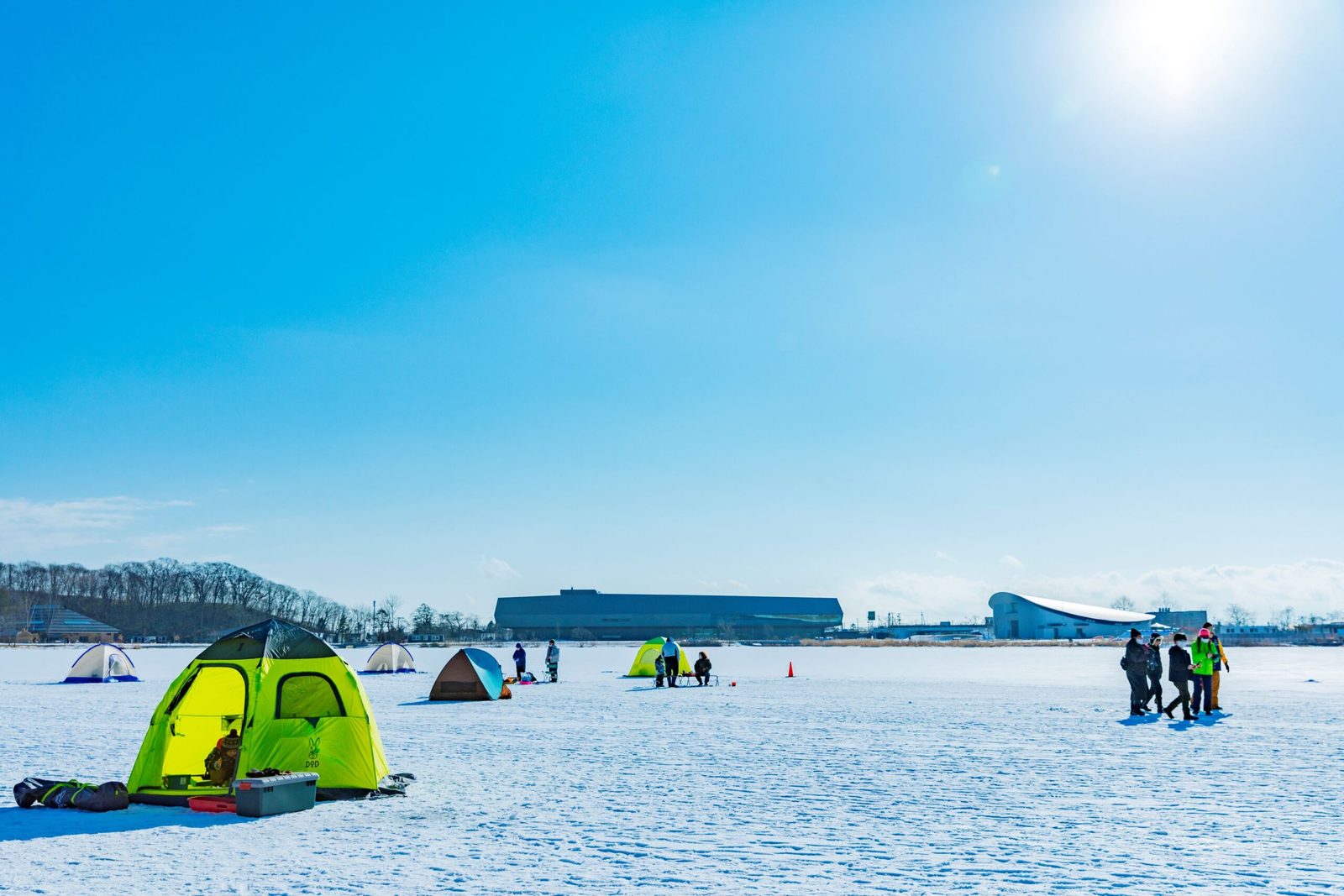
Along the Poroto no Mori walking trail stand large trees, among them chestnut, Mizunara oak and katsura. Near the floating bridge in Poroto no Mori, skunk cabbage grows in clusters, in season each year during Golden Week. Lake Kuttara, a caldera lake, is another of the town's natural sights. Measurements for the trees, the lake and the waterfall follow.
- Lake Kuttara: a caldera lake with a circumference of about 8 kilometres.
- Inkura Falls: about 44 m high and about 10 m wide.
- Trees along the Poroto no Mori trail, such as chestnut, Mizunara oak and katsura, have trunk diameters exceeding 100 cm.
Beyond Upopoy: Shiraoi Town
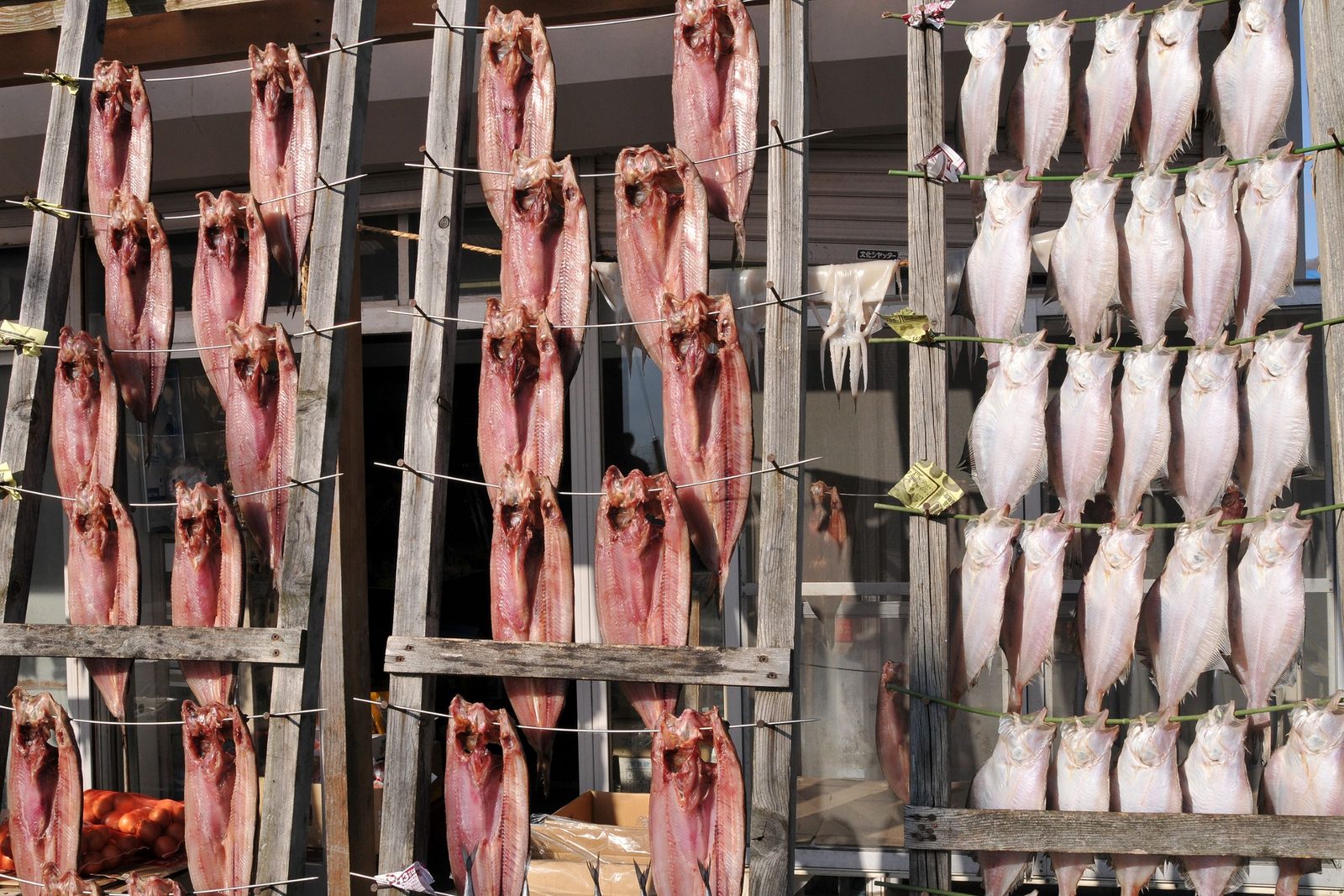
The Sendai Domain Shiraoi Motojinya Museum opened as the guidance facility for the site of the Sendai domain's Shiraoi outpost. Its displays include pictorial maps of the original outpost, old documents and weapons. The Motojinya museum is a short drive from Shiraoi Station, the Shiraoi interchange or Upopoy. Fares for the Gurupon town bus come after the table.
| Item | Detail |
|---|---|
| Motojinya museum, admission for an individual (general) | 300 yen |
| Motojinya museum, group (20 or more people), general | 250 yen |
| Motojinya museum, hours | 9:30 to 16:30 |
| Motojinya museum, closed | December 29 to January 3, and Mondays (the next day if Monday is a holiday) |
| By car to the Motojinya museum from Shiraoi Station, the Shiraoi interchange or Upopoy | about 5 minutes |
- In 1966 the site of the Sendai domain's Shiraoi outpost was designated a historic site, and the museum opened in 1984 as its guidance facility.
- About 300 items are on display, including pictorial maps of the original outpost, old documents and weapons.
- Gurupon town bus, single ride: 100 yen for high school students and older, 50 yen for elementary and junior high school students; preschool children ride free.
- Gurupon town bus, one-day ticket: 200 yen for high school students and older, 100 yen for elementary and junior high school students.
For a nearby stop, read about the hot-spring valley at Noboribetsu.
If you would rather have the day arranged for you, look at Upopoy tours and day trips on GetYourGuide.